


What is PETG Furniture Film
The polycarbonate film is offered in rolls and sheets. The black PC film Lexan FR 700 is flame retardant and offers consistent properties for insulation and printability. These include puncture resistance, low moisture absorption, high thermal performance, formability and excellent dielectric strength.
Benefits of PETG Furniture Film
High gloss
PETG furniture film offers Superior Gloss due to its chemistry, which is very useful in the printing & packaging industry.
Economical
PETG furniture film is a practical alternative without losing quality in end applications.
Food-safe
PETG furniture film is FDA-compliant, making it safe for packaging and other applications in the FMCG, Food & Beverage industries.
Recyclable
PETG furniture film is fully recyclable, helping with waste reduction, and does not harm the environment.
Non-Toxic
PETG furniture film is Non-Toxic during Production, Storage, and usage.
Odorless
PETG furniture film is odorless during Production, Storage, and usage.
Excellent printing
PETG furniture film loves to get printed and reflect its true nature when printed respectively.
Uniform shrinkage
PETG furniture film offers uniform shrinkage for Shrink Sleeve applications.

PETG film serves as a decorative overlay for various boards such as MDF, plywood, particle board, PVC foam board, and aluminum honeycomb plate. This eco-friendly decorative material boasts anti-scratch and anti-fingerprint properties, ensuring color stability, high hardness, wear resistance, and resistance to stains.

Item No.: CKG
Size: Less Than 1330mm Width
Color: Clear or Customized
Material: PETG
Surface: Gloss, matte, fine velvet.

Surface: Gloss / velvet / Matte
Color: White, Clear / Full Colors
Material: PETG
Form: Roll / Sheet
Thickness: 0.05~0.8mm

Place of Origin: Suqian, China
Material: PETG
Color: White, clear, or Customized
Thickness: 0.075/0.08/0.1/0.12/0.15/0.2/0.22/0.3/0.33mm or customized
Certifications: ISO, REACH, ROHS

Transparency and clarity, Chemical stability, Wear resistance, Easy to form,Temperature resistance,
PETG has a good adaptability to temperature changes, enabling it to cope with a certain temperature range in furniture surface decoration.
Why Choose us
Professional service
We can accept factory inspection and goods inspection at any time. Technical discussion, research and development of new products, and complete after-sales service.
Speed
Our organization is streamlined for fast turnaround on orders and immediate response to emergencies or unexpected opportunities.
Fantastic customer service
Nothing is more important to us than customer satisfaction. With our 'can-do attitude' we ensure our customers' expectations are exceeded at all times – from delivering great solutions on time to providing advice and resolving queries as quickly as possible.
Quality and satisfaction
We guarantee quality and satisfaction on all of our projects. Although we deliver the most professional content on the first try, this guarantee gives you the peace of mind that you are entitled to free unlimited revisions until it reaches the point where you are happy with it.
Properties Comparison of Polycarbonate vs. PETG Furniture Film
|
Property |
PC value (metric) |
PETG value (metric) |
|
Optical transmission |
Very high, better than glass |
Good, can be improved by biaxial orientation in the film |
|
Density |
1.2 g/cm3 |
1.18–1.33 g/cm3 |
|
Hardness, Shore D |
90–95 |
76 |
|
Tensile strength, ultimate |
28–75 MPa |
20–68.9 MPa |
|
Tensile strength, yield |
39–70 MPa |
28.3–58.6 MPa |
|
Elongation at break |
10–138% |
5–360% |
|
Modulus of elasticity |
1.79–3.24 GPa |
3–20.3 GPa |
|
Flexural yield strength |
36–103 MPa |
39.2–88.9 MPa |
|
Flexural modulus |
0.971–3.1 GPa |
1.17–2.76 GPa |
|
Dielectric constant |
2.85–3.17 |
2.4–3.46 |
|
Melting point |
288–316 °C |
260 °C |
|
Max service temperature |
115–135 °C |
60–70 °C |
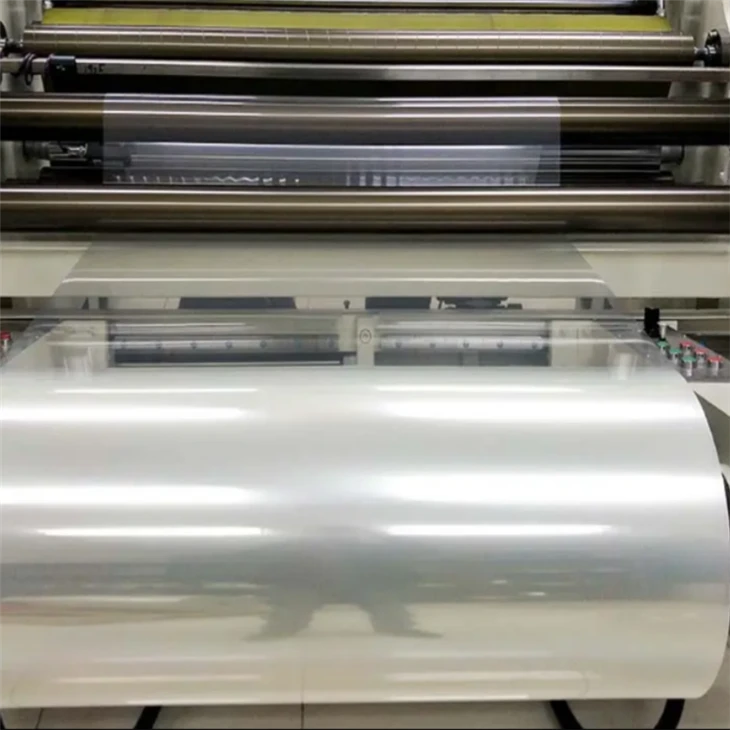
Providing a premium and attractive finish: PETG furniture film gives products and packaging a shiny and reflective surface, which enhances their perceived value and attractiveness. This can be particularly important in industries such as cosmetics, where the packaging can influence consumer purchasing decisions.
Protecting products from scratches and damage: PETG furniture film is a durable material that provides excellent scratch resistance and protection from damage. This makes it a popular choice for product packagings, such as food containers and electronics cases, where protection is a key consideration.
Enhancing product branding and messaging: PETG furniture film can be printed with high-quality graphics and branding, making it an effective way to enhance the visual impact of product packaging and displays. This can help to communicate brand messaging and product information to customers.
Improving the overall aesthetic of products and packaging: PETG furniture film is a versatile material that can be thermoformed into different shapes and sizes, making it an ideal choice for creating sleek and modern product designs. It can also be combined with other materials, such as paperboard and foam, to create unique and eye-catching packaging designs.
Acrylic vs PETG: Head to Head Comparison

Applications
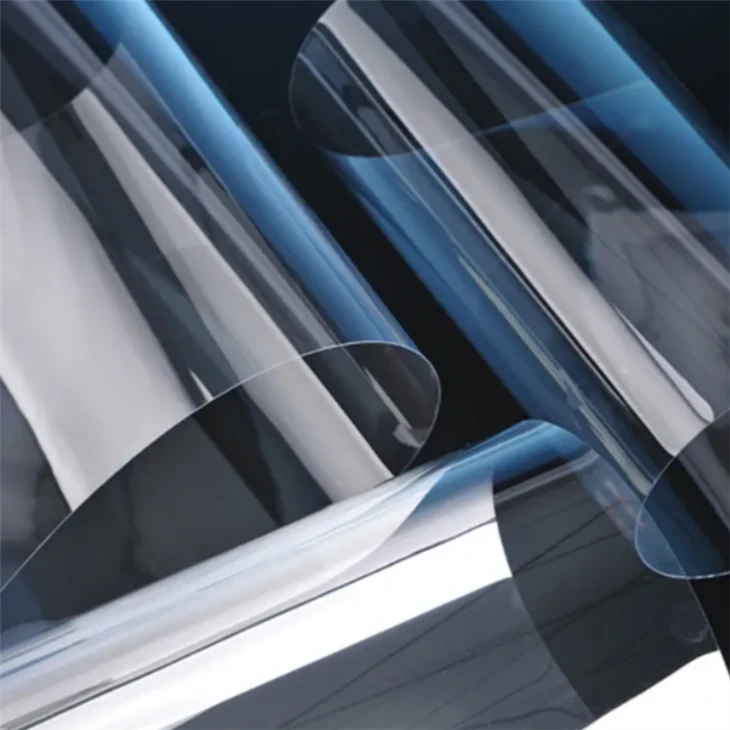
Acrylic and PETG are used for various applications such as machine guards, covers, displays, and applications that need to be transparent. One of the great features of both materials is their transparency and clarity.
Acrylic: It is available in both extruded and cast. Extruded form of acrylic is the most common and cost-effective use. Cast acrylic is considerably more expensive because of the delicate manufacturing process.
Taking advantage of the natural transparency for extruded acrylic, it is used for displays, lenses, acrylic nails, security barriers, medical devices, LCD lenses. Because of this material's excellent clarity and durability, this can be used as windows, tanks, and enclosures around exhibits.
Normally, acrylic material can be made into plexiglass sheets, acrylic rods, and acrylic tubes.
PETGIt's a great choice for machine guarding, especially for medical devices. PETG furniture film materials have good chemical resistance making them suitable for cooking oil containers, drinking bottles, and FDA-compliant food. PETG plastics are widely used as packaging materials.
The rigid structure of PETG makes sure that it can undergo hard or sterile processes. For this reason, they can be used for packaging medical and pharmaceutical instruments. And because of its durability, it can often be used as a machine guard as well.
Strength
Before talking about the strength, you need to know that PETG furniture film plastics are extremely rigid and tough. On the other hand, acrylic plastics are flexible and you can use them for curved applications smoothly.
PETG is 5 to 7 times stronger than acrylic, but this cannot serve outdoor purposes. On the other hand, acrylic plastics are flexible and can be used for indoor and outdoor purposes. Otherwise, polycarbonate sheets are 25 times stronger than acrylic.
It can withstand extreme weather and even resist if you live in an area that has hailstorms. It does not get any scratches, so you don't need to worry about it if you're using them for rough applications.
Color
Acrylic plastics are available in standard colors or can be colored as per requirement. PETG furniture film plastics can be colored based on costs and production runs.
Cost
PETG furniture film plastics are a little bit more pricy and their costs depend on the application of the material. Being more efficient and flexible, acrylic is more affordable compared to PETG plastics. The price of acrylic plastic depends on the thickness of the material.
Production Issues
There are no production issues while producing acrylic plastics. Acrylic is easier to bond compared to PETG plastics. PETG furniture film plastics cannot be polished. This might yellow around the edges if an improper laser is used. Also, the bonding of this plastic requires special agents.
Stability
Compared to PETG furniture film, acrylic is easier to break, but this is a flexible plastic. In comparison, PETG is more impact-resistant and rigid. This does not break easily compared to acrylic plastics.
Cleaning
We recommend no harsh cleaning for both acrylic and PETG plastics. Alcohol-based cleaners are not advised. Cracking will become more evident if you apply it to any of these materials. Clean them with soap and water gently by rubbing with the soap and washing with water afterward.
POS Look
Acrylic is more scratch-resistant with shiny edges and also clearer than PETG furniture film plastics. However, in the case of acrylic, you need to be careful about cracking. PETG plastic is strong but prone to scratches and not as shiny as acrylic.
Durability
Acrylic is flexible, but it can be broken if enough pressure is applied. On the other hand, PETG plastics cannot be broken easily, but there are some issues on where you will set them.
However, if you're using acrylic plastic for windows, skylights, POS displays, you don't need to be worried about it. This plastic can withstand harsh weather and very strong impacts as well. Especially compared to glass, the durability and strength are way more superior. The only thing is that it's not the strongest plastic on the market, but if you're using it for a not so extreme purpose, it can serve you pretty well.
Workability
It is easy to work with both materials as they are easy to cut with any tools like- jigsaws, circular saw or CNC cutting. However, you should make sure that the blades are sharp enough for cutting as blunt blades will generate heat and deform the material due to heat.
For laser cutting acrylic, you need to set the power to a fixed level. Low power of laser cutter is needed while cutting a PETG material. The clear edge of acrylic is a unique feature and is not found very often.
This clear edge can be obtained by laser cutting the acrylic in the right way. It is also possible to get clear edges for PETG, but these materials risk tinting while 8ng laser cut.
For acrylic, you can use any standard glue to do the bonding and it works perfectly. In PETG, you are limited to super glue and a few other bonding agents only. But we recommend the bonding of this material via mechanical fixing. When it comes to thermoforming, both the materials are suitable and both can be thermoformed. However, there is a slight difference. PETG does not lose its strength when thermoformed, but from experience, we have seen that sometimes acrylic loses its strength in the process of thermoforming and becomes fragile.
Application of PETG Furniture Film
PETG furniture film can cover tabletops or countertops, providing a protective layer while showing the natural texture or design underneath. It adds durability against scratches and spills.
It can be used to cover cabinet doors or panels, offering a smooth, modern finish while protecting the surface from damage.
PETG furniture film can cover drawer fronts and shelves, adding a glossy, transparent layer that safeguards against daily wear and tear.
It's often used on edges and trims of furniture pieces to protect these vulnerable areas from chipping or damage.
Designers utilize PETG film to create decorative elements on furniture, adding intricate patterns, colors, or textures to enhance the overall look.
Whether for wardrobes, entertainment units, or wall panels, PETG furniture film can be applied to various surfaces to provide both visual appeal and protection.
PETG's flexibility allows it to conform to different shapes and surfaces, making it adaptable for a wide range of furniture applications. Its transparent nature ensures that underlying textures and designs remain visible while adding a layer of resilience to furniture pieces, making them more durable and easier to maintain.
GAP Polymers Guide for main properties of PET & PETG
|
Property |
PET |
PETG |
|
Impact Strength (J/ M) |
13.34 - 34.68 |
90.8 |
|
Specific Gravity |
1.38 |
1.27 |
|
Tensile Strength (MPa) |
96.5 - 124.1 |
77.2 |
|
Thermal Conductivity (W/ mK) |
0.29 |
- |
Is PETG furniture Film Environmentally Friendly?
PETG furniture film is an environmentally friendly material. PETG is a thermoplastic polyester that is more environmentally friendly than common PVC materials. PETG furniture film does not contain harmful substances during the production process, does not release toxic gases, and complies with environmental protection standards. In addition, PETG furniture film can also be recycled, reducing the impact of waste on the environment.
It should be noted that although PETG furniture film itself is environmentally friendly, during use, it is also necessary to pay attention to its use with other materials to ensure the environmental protection of the entire furniture. For example, in the process of making furniture, you should try to choose environmentally friendly glues and adhesives and avoid using materials containing harmful substances.
Therefore, if you want to buy environmentally friendly furniture film, you can choose PETG furniture film. However, during use, you also need to pay attention to its use with other materials to ensure the environmental protection of the entire furniture.
Company Profile
Zhenzhen, established in 2021, is a professional and powerful manufacturer and has been engaged in researching, development, production of polycarbonate and PETG films. With a commitment to innovation and excellence, Zhenzhen has invested over 21 million USD in state-of-the-art production lines for plastic films and sheets, all of which are imported to ensure the highest quality.

Our Certificate
Zhenzhen has successfully passed the ISO9001 quality management system, and got the certificates of ISO9001, SGS,UL solutions,BSIC and other certifications, ensuring to meet global environmental and safety standards.


Asked Questions
Q: Why does PETG not stick to bed?
Q: Does PETG degrade over time?
Q: What will dissolve PETG?
Q: Are PETG fumes harmful?
Q: Does PETG have toxic fumes?
Q: Are PETG fumes bad?
Q: Does PETG need a heated bed?
Q: Will PETG melt in the sun?
Q: Does PETG last in the sun?
Q: Does PETG break down in water?
Q: What is better than PETG?
Q: What is an alternative material to PETG?
Q: What is PETG best for?
Q: Does PETG need ventilation?
Q: Is PETG a fire retardant?
Q: Is PETG affected by humidity?
Q: Can I use a cooling fan when printing with PETG?
Q: How can I improve bed adhesion when printing with PETG?
Q: Can I use a heated bed when printing with PETG?
Q: What is the ideal temperature for printing PETG?
Hot Tags: petg furniture film, China petg furniture film manufacturers, suppliers, factory, Polycarbonate Card Film, Polycarbonate Film, Insulation Polycarbonate Film, ID Card Polycarbonate Film, Card Printable PC Film, Black Pc Sheet


