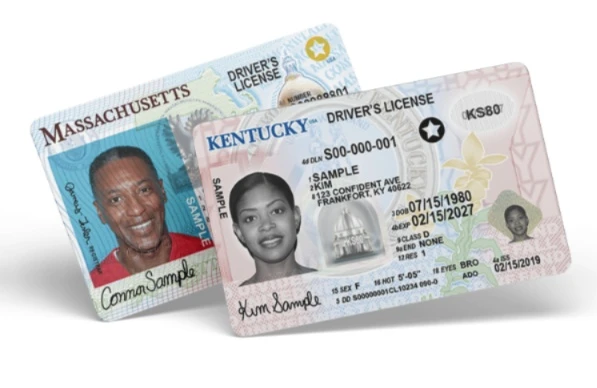
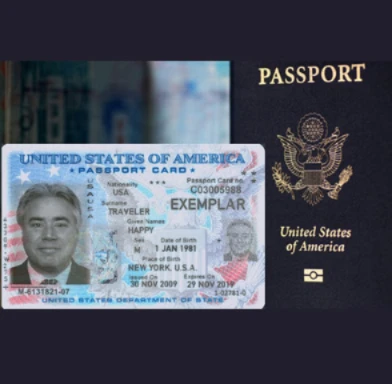
Not all identification documents (ID) are made of polycarbonate card film. Although polycarbonate card film is widely used in modern identification documents due to its high durability, tamper-proof and anti-counterfeiting properties (such as some countries' passports, electronic ID cards or driver's licenses), many regions still use other materials, such as PVC (polyvinyl chloride), composite laminated materials or even paper-based substrates.
Which countries use polycarbonate film in ID cards?
ID cards made of polycarbonate film are mainly applied in countries with high industrialization levels and strict requirements for safety and durability, such as the United States, Canada, Germany, China and some European and Asian countries.
Followings are important characteristics of polycarbonate card films:
Security requirements: The polycarbonate card body is difficult to be tampered, and it supports advanced anti-counterfeiting technologies such as laser engraving and transparent windows.
Durability:The lifespand of cards 10 years, reducing the cost of replacement. It is particularly suitable for frequent use such as entry-exit cards and driver's licenses.
Technical compatibility: Combined with smart chips (such as contactless RFID), it meets the trend of electronic identity recognition.