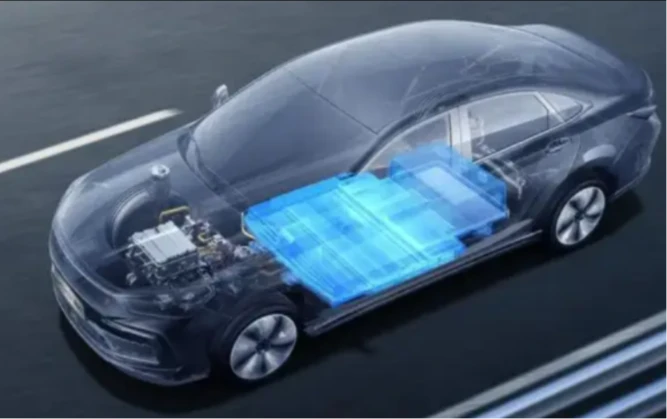
Vehicles that run on non-traditional fuels, such hybrids and electric cars, are referred to as new energy vehicles. For these cars to satisfy their performance standards, some new materials must be used. The following are some typical uses for novel materials:
1. Lithium-ion battery materials: The primary energy storage components of electric vehicles are lithium-ion batteries, which are made of electrolytes, graphite, silicon, carbon nanotubes, and other positive electrode materials as well as negative electrode materials like lithium cobalt oxide, nickel cobalt manganese oxide, and others. In the field of electric cars, the creation and use of these materials represent significant research avenues.
2. Lightweight materials: By making vehicles lighter, lightweight materials help lower pollutants and energy usage. High-strength steel, magnesium alloy, aluminum alloy, carbon fiber, polycarbonate film, and plastic are examples of common lightweight materials. Polycarbonate films with light weight are the best material for parts of vehicles and flame retardant characteristics for battery cell,pack,and molds.
3. Materials for fuel cells: Another popular power source for new energy vehicles is fuel cells. They produce heat and water while converting hydrogen and oxygen into electricity. Materials for fuel cells include electrolyte, cathode, and anode, among others.
4. Nanomaterials: These materials can be used to create high-performance batteries, supercapacitors, sensors, and other devices because of their exceptionally high specific surface area and distinctive physical and chemical characteristics.
5. Additional Materials: High-temperature ceramics, high-performance coatings, and other materials are needed for new energy vehicles in addition to the previously stated parts. The primary purpose of these materials is to improve the cars' resilience to corrosion, durability, and heat insulation, among other qualities.